
About Tanzania · History, people & places
A journey through Tanzania
Tanzania is one of Africa’s most geographically and culturally diverse countries. Its extraordinary history stretches from the earliest evidence of human evolution and the ancient Swahili coast to independence, the Union of Tanganyika and Zanzibar, and the country we know today.
History of Tanzania
The United Republic of Tanzania is an East African country formed by the union of two formerly separate territories: Tanganyika and Zanzibar. Tanganyika gained independence from British colonial rule on 9 December 1961, while Zanzibar became independent on 10 December 1963 and subsequently experienced the Zanzibar Revolution on 12 January 1964.
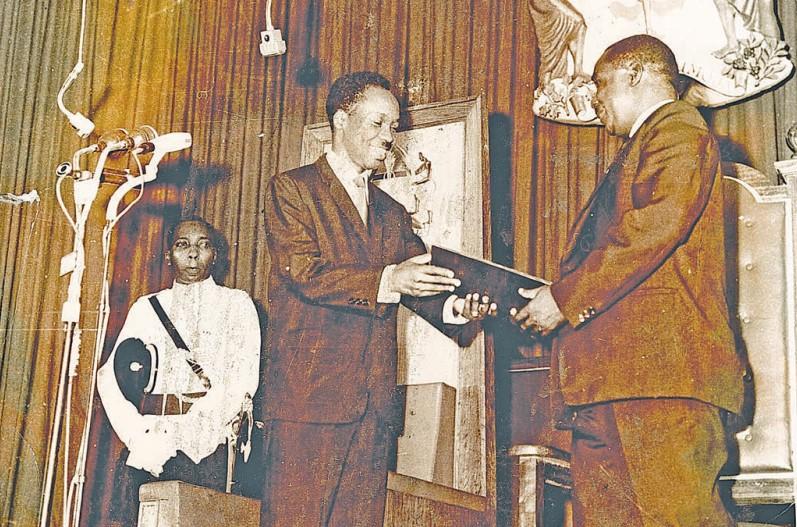
After the Revolution, Tanganyika and Zanzibar entered a political union on 26 April 1964, led by Mwalimu Julius Kambarage Nyerere, President of Tanganyika, and Sheikh Abeid Amani Karume, President of Zanzibar. The new state was initially called the United Republic of Tanganyika and Zanzibar and was renamed the United Republic of Tanzania on 29 October 1964.
Historians have described the Union as the result of several factors, including regional security considerations, close historical and cultural ties between the peoples of Tanganyika and Zanzibar, and the wider political environment of post-independence Africa and the Cold War. Whatever the different interpretations of its origins, the Union has become an important expression of African political cooperation and unity.
Geography and location
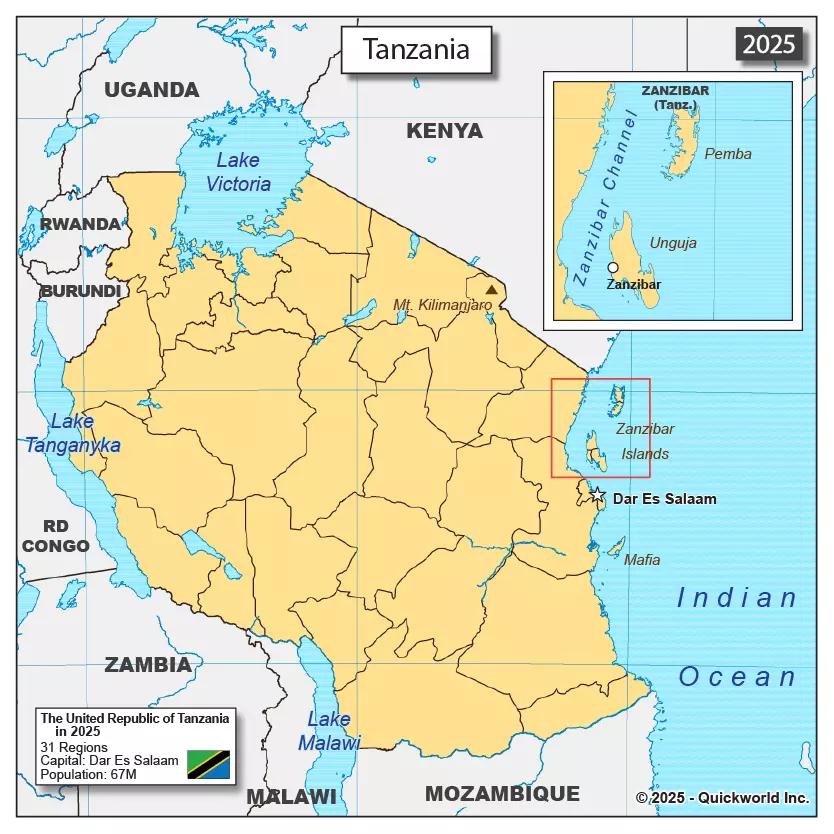
Tanzania occupies a strategic position in East Africa, extending from the shores of the Indian Ocean to the Great Lakes region and the highlands of the interior. Tanzania shares borders with Kenya and Uganda to the north; Rwanda, Burundi and the Democratic Republic of the Congo to the west; and Zambia, Malawi and Mozambique to the south. To the east lies the Indian Ocean, including the Zanzibar Archipelago.
The Zanzibar Archipelago consists principally of Unguja and Pemba, together with numerous smaller islands. Zanzibar has played an important role in Tanzania’s history, particularly through its maritime trade, Swahili culture and connections with Arabia, Persia, India and other parts of the Indian Ocean world.
Ancient history and human origins
Tanzania occupies a special place in the history of humanity. Northern Tanzania contains some of the world’s most important archaeological and palaeoanthropological sites, particularly Olduvai Gorge (Oldupai) in the Ngorongoro area.
Research and fossil discoveries from Olduvai Gorge and other sites in northern Tanzania have contributed significantly to scientific understanding of early human ancestors and human evolution. The region therefore represents much more than a tourist destination: it is part of the global story of human origins.
The wider landscape of northern Tanzania also contains Laetoli, famous for ancient hominin footprints preserved in volcanic ash. Together, these sites demonstrate the extraordinary importance of Tanzania in the study of early human history.
The rise of Swahili coastal civilisation
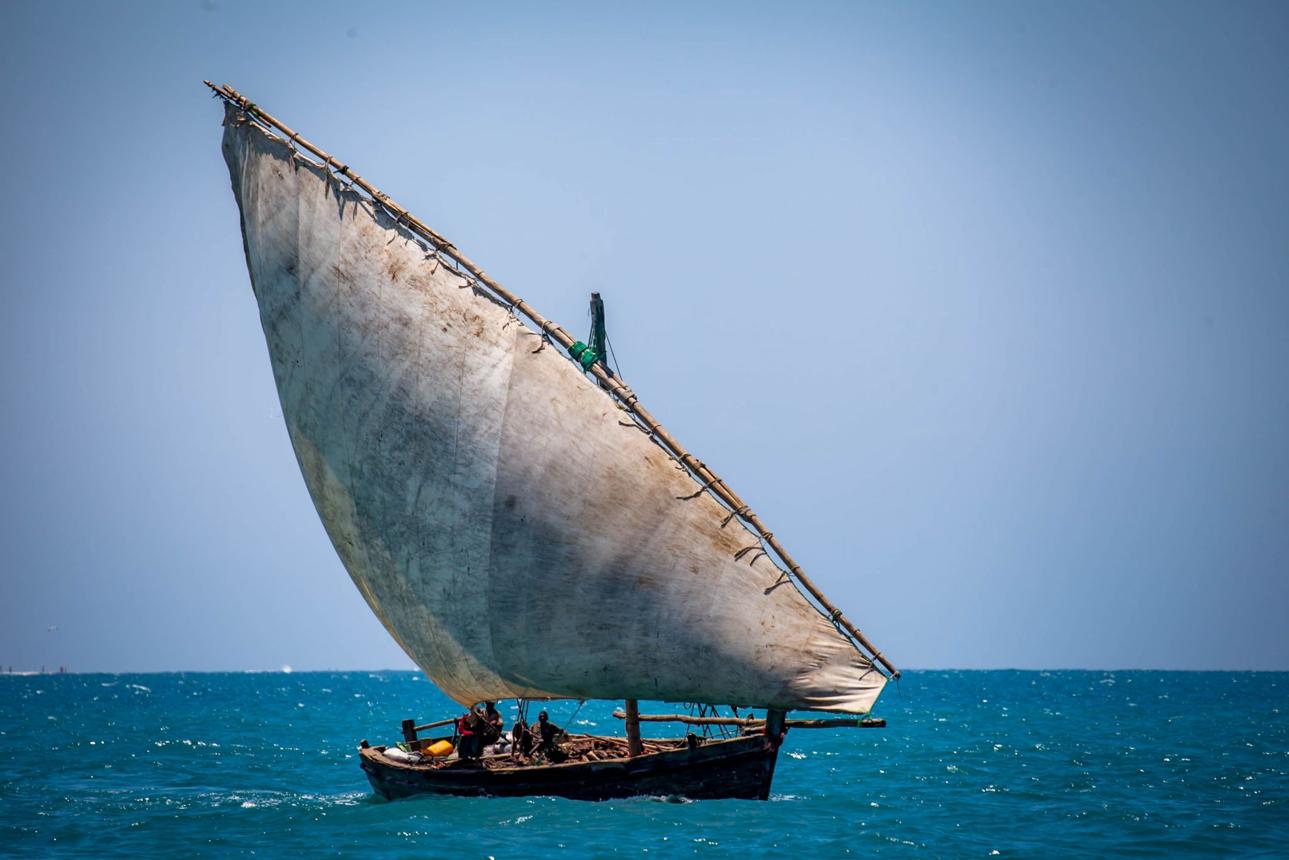
Long before the creation of modern Tanzania, communities along the East African coast were connected to the wider Indian Ocean trading world. Coastal settlements established commercial relationships with merchants from Arabia, Persia, India and other parts of the Indian Ocean. Through centuries of interaction, trade and cultural exchange, a distinctive Swahili civilisation developed along the East African coast.
Zanzibar eventually became one of the most important commercial centres in the western Indian Ocean. The islands traded commodities such as spices, ivory, and other goods, while Zanzibar’s strategic position made it an important meeting point between Africa and the wider Indian Ocean world.
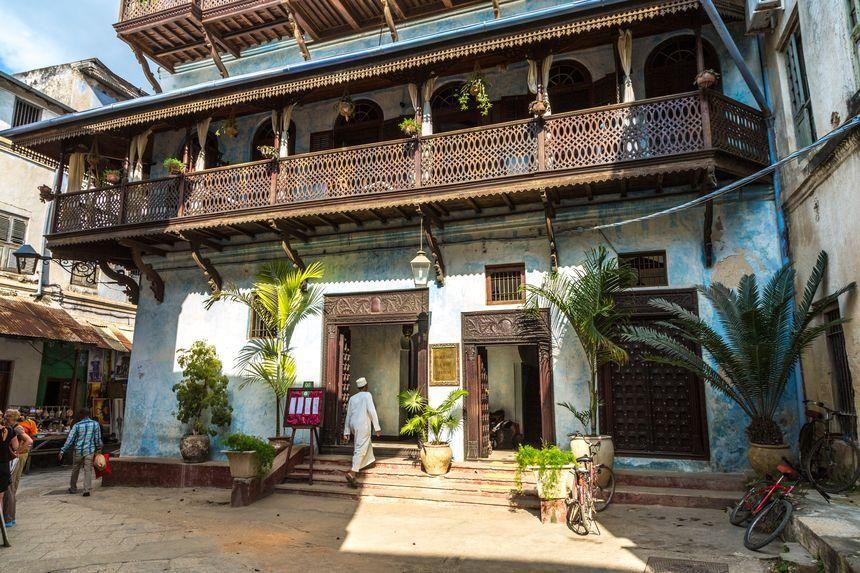
These centuries of interaction contributed to the development of Swahili culture, which remains one of Tanzania’s most important cultural identities. Its influence can be seen in architecture, language, cuisine, music, clothing, traditions and coastal ways of life. Stone Town in Zanzibar provides one of the finest examples of this heritage. Its narrow streets, historic buildings, mosques, markets, former trading houses and distinctive architecture reflect the centuries of African, Arab, Persian, Indian and European interaction that shaped Zanzibar.
From colonial rule to the Union
Colonial period
During the nineteenth century, Zanzibar became an important centre of political and commercial influence along the East African coast. European powers subsequently increased their involvement in the region. Tanganyika became a German colony in the late nineteenth century, forming part of German East Africa. Following Germany’s defeat in the First World War, Tanganyika was placed under British administration as a League of Nations mandate and later became a United Nations Trust Territory.
Zanzibar, meanwhile, remained a British protectorate until independence in 1963. Colonial rule profoundly affected Tanzania’s political, economic and social development. At the same time, it contributed to the growth of nationalist movements that eventually led to independence.
Independence of Tanganyika
The struggle for independence gained momentum during the twentieth century. Tanganyika became independent on 9 December 1961, with Julius Kambarage Nyerere becoming its first Prime Minister and subsequently its first President when Tanganyika became a republic in 1962. Nyerere, popularly known as Mwalimu, became one of Africa’s most influential leaders. He promoted African nationalism, national unity, self-reliance and the principle of Ujamaa, or African socialism.
Zanzibar Revolution
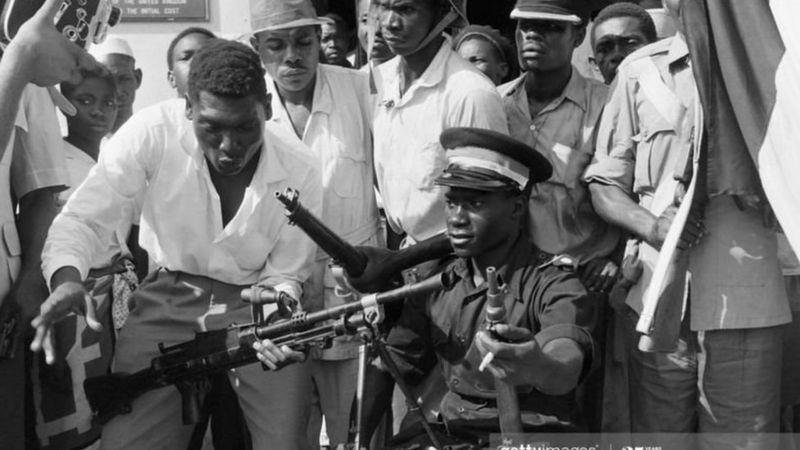
Zanzibar followed a different political path. The islands gained independence from British rule on 10 December 1963 as a constitutional monarchy. Only a month later, on 12 January 1964, a revolution overthrew the Sultanate and established a revolutionary government led by Sheikh Abeid Amani Karume. The Zanzibar Revolution became one of the most significant events in the political history of the islands and had major consequences for the future relationship between Zanzibar and Tanganyika.
The Union of Tanganyika and Zanzibar
On 26 April 1964, Tanganyika and Zanzibar entered into a political union. Julius Nyerere led the Union as President, with Abeid Amani Karume as First Vice-President. The country was initially known as the United Republic of Tanganyika and Zanzibar and was renamed the United Republic of Tanzania on 29 October 1964.
The Union created a distinctive political structure in which Zanzibar retained a significant degree of internal autonomy, including its own government and institutions, while the Government of the United Republic administered matters of the Union. Today, the Union remains one of Africa’s most distinctive political arrangements.
People, languages and culture
Population and administrative regions
According to the 2022 Population and Housing Census, Tanzania’s population was 61,741,120. Of these, approximately 59.85 million lived in Mainland Tanzania and approximately 1.89 million in Zanzibar. Tanzania has 31 administrative regions in total: 26 regions in Mainland Tanzania and 5 regions in Zanzibar.
The five regions of Zanzibar are Mjini Magharibi, Kusini Unguja, Kaskazini Unguja, Kusini Pemba and Kaskazini Pemba. Tanzania’s population is ethnically and culturally diverse, with more than 120 ethnic groups. Despite this diversity, the country has maintained a strong sense of national identity and unity, with Kiswahili playing a particularly important role in bringing different communities together.
Languages
Kiswahili (Swahili) is Tanzania’s national language and is widely used throughout the country. It is an important language of public life, communication, education, government and national identity. English is also widely used, particularly in higher education, business, tourism, diplomacy and international communication.
Tanzania is home to more than 120 ethnic groups, many of which traditionally have their own languages or vernaculars. These include languages associated with communities such as the Sukuma, Chagga, Maasai, Haya, Nyamwezi, Hehe, Makonde, Gogo, Iraqw and Zaramo, among many others. Indigenous languages belong to several African language families, particularly Bantu, Nilotic and Cushitic languages. The widespread use of Kiswahili has helped create a common means of communication across communities.
Tanzania’s tribes and cultural diversity
Tanzania’s ethnic diversity is reflected in its traditions, music, dance, food, clothing, craftsmanship and social customs. Communities across the country have preserved distinctive cultural traditions while participating in a shared Tanzanian national identity. Among the country’s best-known ethnic communities are the Sukuma, Chagga, Maasai, Haya, Nyamwezi, Hehe, Makonde, Gogo, Iraqw, Zaramo, Meru, Kurya and Hadzabe, among many others.
Maasai
The Maasai are among Tanzania’s most internationally recognised communities. They are particularly associated with northern Tanzania, including areas around Arusha, Manyara, Ngorongoro and Serengeti. Their pastoral traditions, distinctive clothing and cultural heritage have become an important part of Tanzania’s cultural tourism.
Chagga
The Chagga primarily inhabit the slopes of Mount Kilimanjaro. Their history is closely connected with agriculture, particularly coffee cultivation, and the fertile slopes of Africa’s highest mountain.
Sukuma
The Sukuma are one of Tanzania’s largest ethnic communities and are primarily associated with the area around Lake Victoria, particularly Mwanza and neighbouring regions.
Haya
The Haya are concentrated around the northwestern part of Tanzania, particularly the Kagera region near Lake Victoria.
Nyamwezi
The Nyamwezi have historically been associated with central-western Tanzania, particularly around Tabora. Historically, the region played an important role in long-distance trade across the interior of East Africa.
Makonde
The Makonde are found primarily in southeastern Tanzania, particularly around Mtwara, as well as across the border in northern Mozambique. They are particularly renowned for their wood-carving traditions.
Hehe
The Hehe are principally associated with the Iringa area in the southern highlands. They have an important place in Tanzania’s colonial history, particularly through the resistance led by Chief Mkwawa against German colonial forces.
Zaramo
The Zaramo are traditionally associated with the coastal area around Dar es Salaam and Pwani.
Iraqw
The Iraqw are a Cushitic-speaking community primarily associated with the northern highlands, particularly around Manyara and the Mbulu area.
Hadzabe
The Hadzabe live primarily around Lake Eyasi in northern Tanzania. They are one of the country’s most distinctive indigenous communities, with a traditional hunter-gatherer way of life.
Datoga
The Datoga, also known as Barabaig in some contexts for particular groups, are traditionally pastoralist communities found mainly in northern Tanzania.
Zanzibar’s communities
Zanzibar has its own particularly rich cultural history. Its population includes communities with African, Shirazi, Arab, Comorian and South Asian historical connections, reflecting centuries of interaction across the Indian Ocean. This mix has shaped the distinctive character of Zanzibari Swahili culture.
Tanzania as a tourist destination
Tanzania’s extraordinary history is complemented by some of Africa’s most celebrated natural and cultural attractions. From the Serengeti and Ngorongoro to the beaches of Zanzibar, its landscapes offer a journey through both human history and natural heritage.
Serengeti National Park
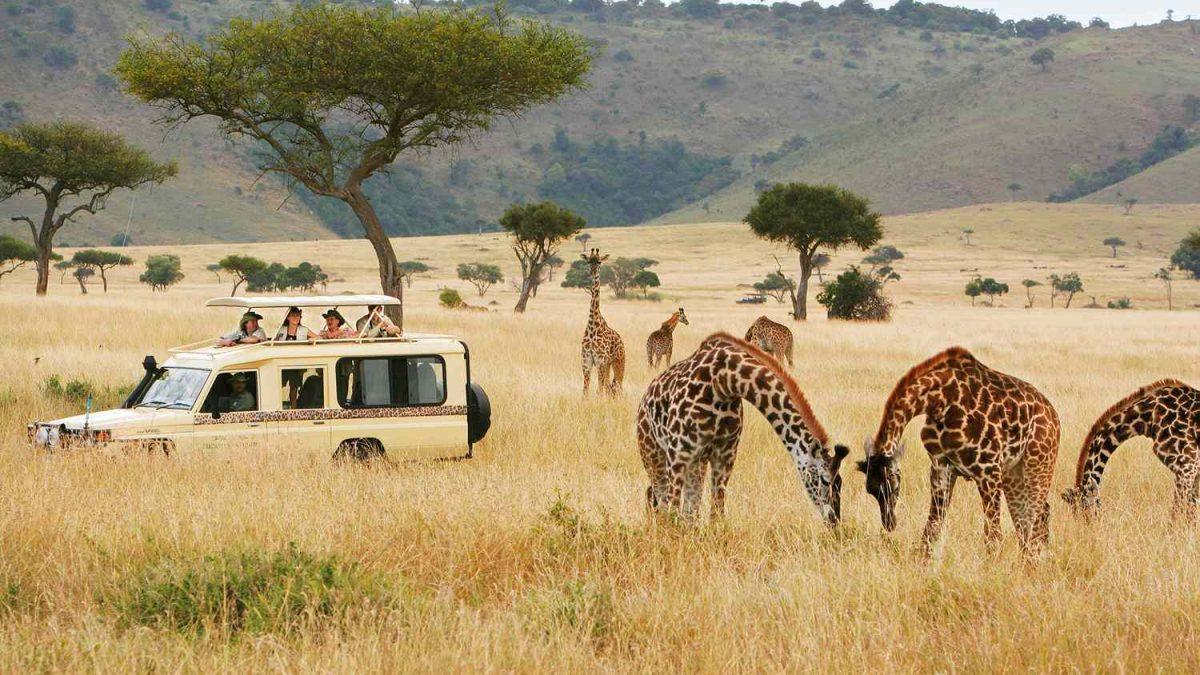
The Serengeti is internationally famous for its spectacular wildlife and the annual movement of millions of wildebeest, zebra and other animals. It is one of Africa’s most celebrated safari destinations.
Ngorongoro Conservation Area
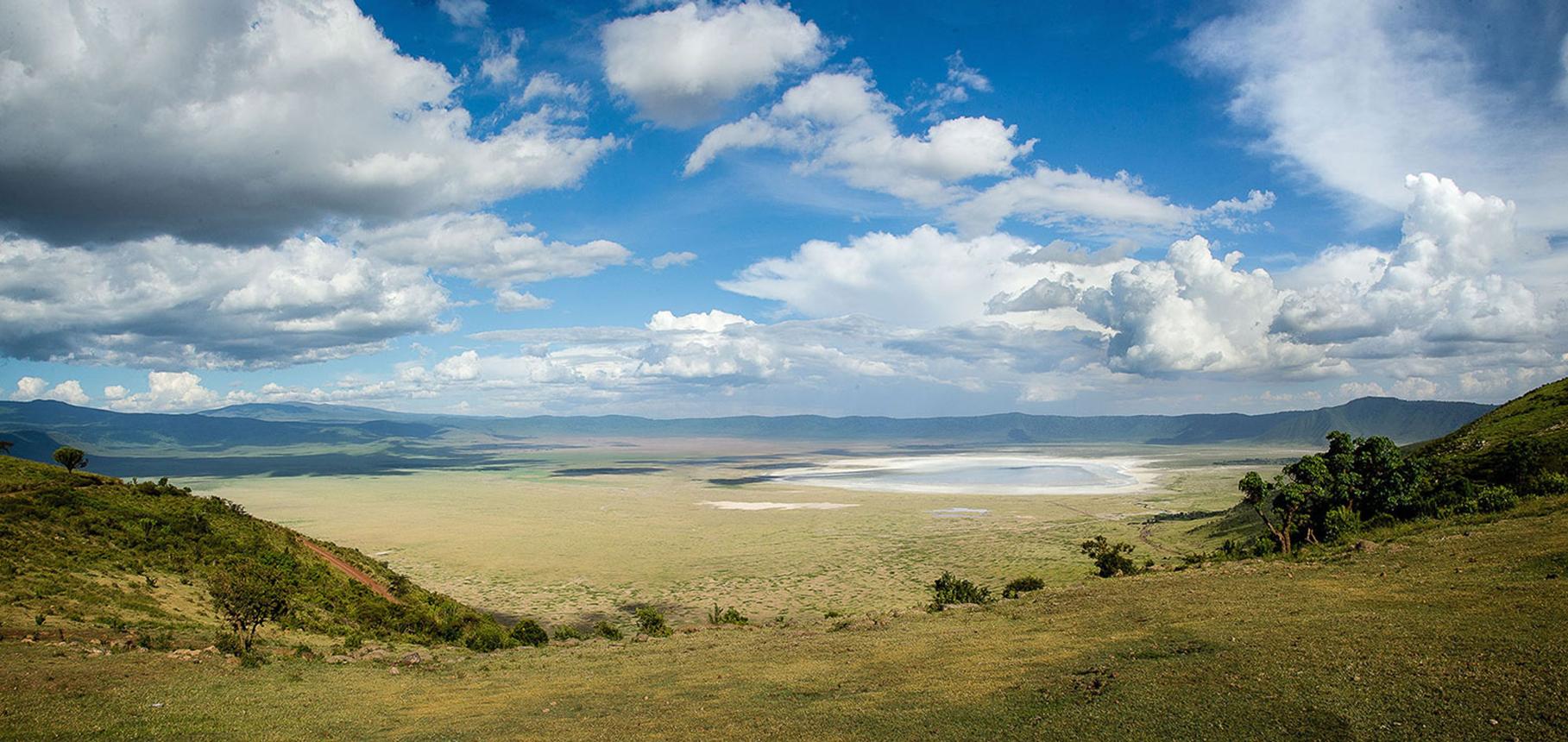
The Ngorongoro Crater is one of Tanzania’s most extraordinary landscapes. Its dramatic volcanic environment supports a remarkable concentration of wildlife and is also home to Maasai communities.
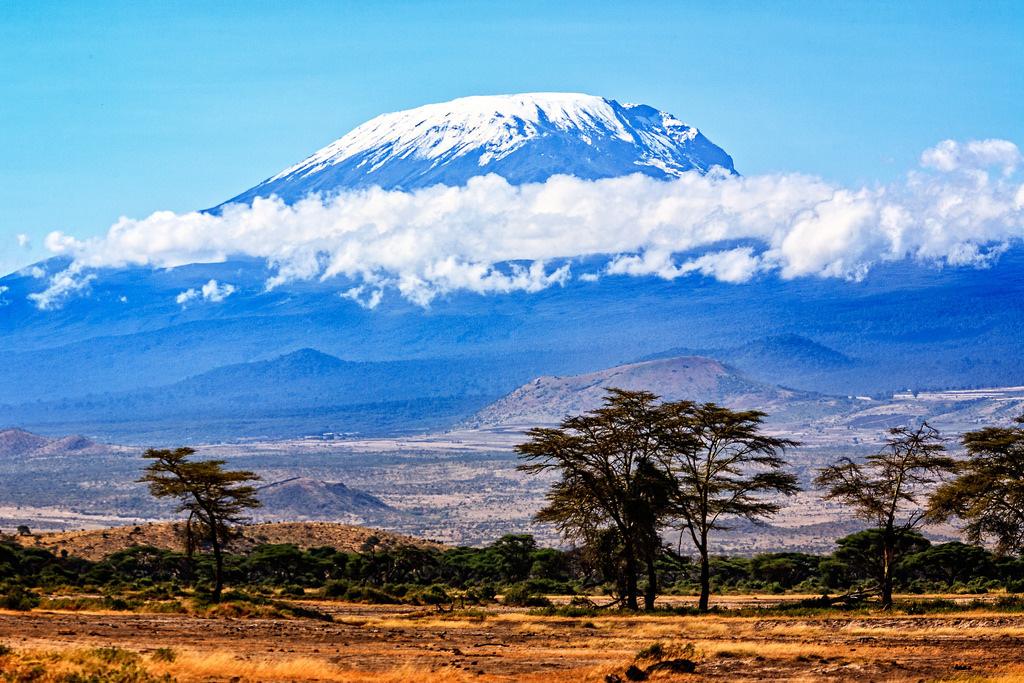
Mount Kilimanjaro
At 5,895 metres, Mount Kilimanjaro is Africa’s highest mountain and one of the world’s most recognisable natural landmarks.
Tarangire National Park
Tarangire is known for its large elephant populations, spectacular baobab trees and diverse wildlife, particularly during the dry season.
Lake Manyara National Park
Lake Manyara National Park combines wildlife, forest, lake landscapes and the dramatic escarpment of the Great Rift Valley.
Nyerere National Park
Formerly known as the Selous Game Reserve, Nyerere National Park is one of Africa’s great wilderness areas and offers a different safari experience from the northern circuit.
Ruaha National Park
Ruaha is renowned for its remote wilderness, large elephant populations and dramatic landscapes and forms an important part of Tanzania’s southern safari circuit.
Zanzibar
Visitors can discover Stone Town, spice farms, historic sites, traditional dhow sailing, coral reefs and tropical beaches. Zanzibar’s beaches, marine life, spice plantations and historic Stone Town make the archipelago an essential part of Tanzania’s story.
Pemba Island
Known for its natural beauty, marine environment and cultural heritage.
Olduvai Gorge and Laetoli
These sites provide exceptional insight into human evolution.
Tanzania today
Tanzania today represents a remarkable combination of history, culture, wildlife, nature and hospitality. From the archaeological sites of northern Tanzania and the ancient Swahili settlements of the coast to the wildlife of the Serengeti and the beaches of Zanzibar, the country offers a journey through both human history and natural heritage.
Its greatest strength is perhaps the combination of cultural diversity and national unity. More than sixty years after Tanganyika’s independence and more than six decades after the Union with Zanzibar, Tanzania continues to be recognised for its distinctive history, peaceful national identity and extraordinary cultural and natural heritage.
For travellers, Tanzania is therefore not simply a destination for safari or beach holidays. It is a country where the story of humanity, African culture, Indian Ocean civilisation, wildlife and modern national identity come together.